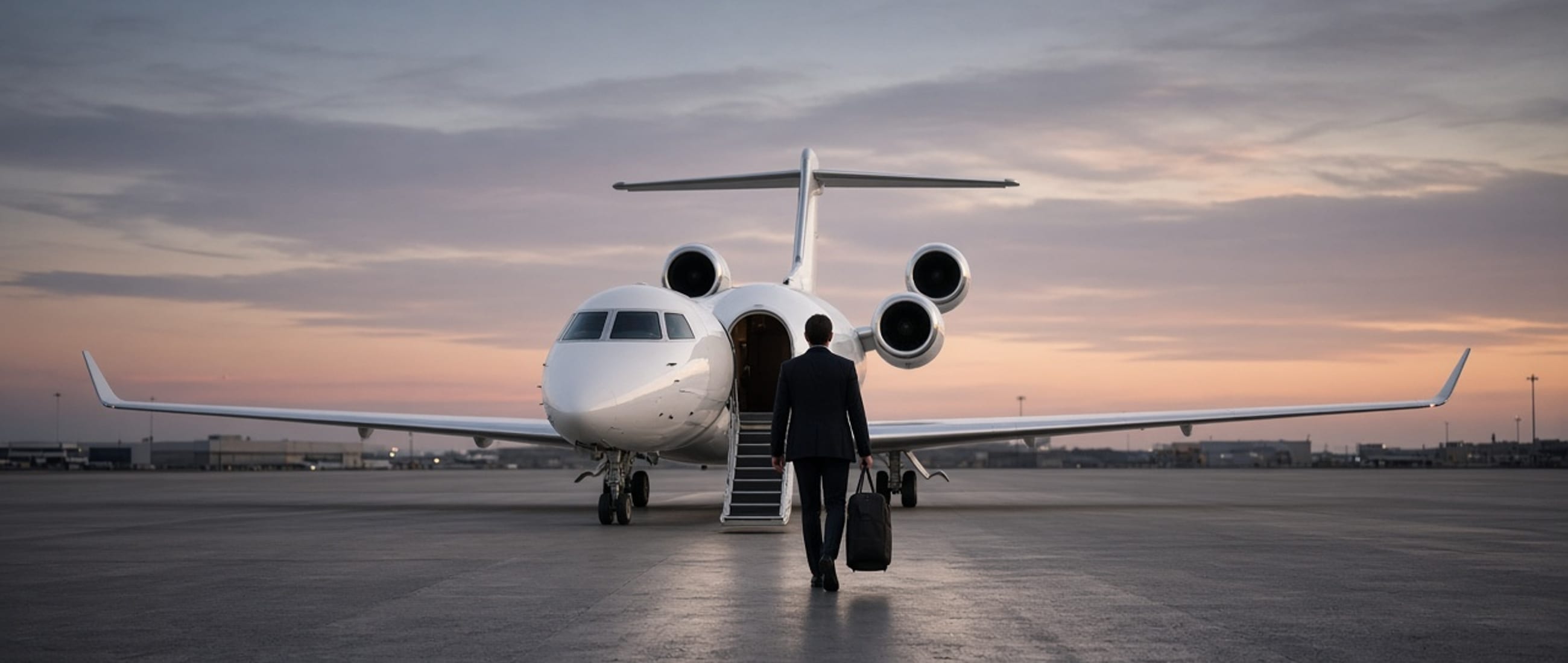
The General Aviation Report
The General Aviation Report, or GAR, is the document that tells Border Force who is on board and where the aircraft is going. gov.uk's guidance says it must be submitted no earlier than 48 hours and no later than 2 hours before the expected time of departure, through the sGAR service, an approved third-party app or an approved system connection. Email and fax do not count. The operator or pilot normally files it, and your part is to supply accurate passenger details.
The guidance says GARs are needed for international general aviation flights to and from the UK, including flights within the Common Travel Area, which covers the UK, the Crown Dependencies and Ireland. Flights between Great Britain and Northern Ireland are domestic, so no Border Force GAR is needed, although police notification can still apply.
A delay to the next calendar day, a change of aircraft or passengers, or a known change of arrival airport requires a new GAR. A delay that stays on the same day generally does not. Send passport details early, and tell your broker immediately if anyone joins or drops out. The guidance sets civil penalties of up to £10,000 for breaching the regulations, which is why operators are strict about the cut-off.
Designated airports and the police notice
Not every airfield can receive an international flight. gov.uk's guidance lists customs, immigration and police-designated airports in an annex, and says regulated aerodromes can handle international flights subject to their approvals. Unregulated aerodromes in Great Britain can handle only domestic flights and flights to or from the Isle of Man. Landing at a non-regulated aerodrome without permission or unavoidable cause carries a £2,500 penalty for the pilot in command.
Police rules are separate. Under the Terrorism Act 2000, where a UK airport is not police-designated and the flight carries no paying passengers, the guidance says the police must be notified at least 12 hours before departure or arrival. For a flight carrying passengers for reward at a non-designated airport, prior approval from a Police Examining Officer is needed. If the flight is between Great Britain and Northern Ireland, or between the UK and the rest of the CTA, with paying passengers, the guidance says to use a police-designated airport unless the police give specific authority.
In practice, a charter booked through a broker uses a designated business aviation airport such as Farnborough, Luton, Stansted or Biggin Hill when it comes from outside the CTA. Your quote names the arrival airport and the handler. The airports page covers the main options.
Immigration: passports, visas and the ETA
Everyone on board needs a valid passport or travel document and any required permission to enter. gov.uk says the ETA costs £20 and that each person needs their own, including babies and children. British and Irish passport holders do not need one. People who need a visa still need the visa. Border Force uses the GAR details to decide whether each person needs permission to enter, and the operator must not carry anyone without valid permission.
There is a financial penalty for the carrier, too. The guidance says carrying a passenger without a valid ETA, visa or permission to travel can lead to a £2,000 charge per passenger. That is why operators check permission before boarding and may refuse a passenger who cannot show it.
The Common Travel Area has its own arrangement. British and Irish citizens can move between the UK and Ireland without a passport check in law, though carriers and airports may still ask for ID. Take a passport anyway, because the operator needs it for the GAR.
What happens at the terminal
On arrival, the aircraft stops at the private terminal, which in the UK is usually run by a handling company known as an FBO. Border Force officers check passports there. If your aircraft arrives out of hours or at a smaller airport, the officers may need to be arranged in advance, so late changes of time can matter.
After passport control, your bags are checked under the usual customs rules. Tell the officer if you have goods to declare, and declare cash of £10,000 or more. Cars wait at the terminal, so the walk from aircraft to car is short. The handler arranges the process on the day, and your broker confirms who will meet you.
Allowances, duty free and cash
gov.uk's guidance on bringing goods into the UK for personal use sets the allowances for arrivals in Great Britain from outside the UK. They include 42 litres of beer and cider, 18 litres of wine, 4 litres of spirits over 22% ABV and 200 cigarettes. For other goods the limit is £390, or £270 if you arrive by private plane or boat. If you go over an allowance you pay tax and duty on the whole category, not only the excess. Under-17s have no alcohol or tobacco allowance. You can declare goods online from 120 hours before arrival.
Cash of £10,000 or more, or the equivalent in another currency, must be declared when travelling between Great Britain and a country outside the UK, according to gov.uk. A group counts together, so a family carrying £10,000 in total must declare it. Declarations can be made online. Northern Ireland uses a euro threshold, so check the page if that applies.
Commercial goods have no personal allowance and must be declared. Check the current gov.uk pages before you travel, as the figures can change.
Leaving the UK
The GAR also covers departures. The same 48-hour and 2-hour window applies, and the operator files it. Passengers should carry their passports and any visa or ETA for the country they are going to. Check the destination's entry rules, because they are the destination's, not the UK's.
Departures from a designated airport are simple: you arrive at the private terminal, the handler checks documents and you board. If you are leaving with cash of £10,000 or more, the declaration rule above applies, and you should follow the destination's own customs rules on arrival.